


Navigating the modern career landscape has become increasingly complex for young people. The traditional paths- study hard, get a degree, land a job- no longer guarantee success or satisfaction. In this new era, career counseling faces a set of challenges that demand fresh thinking, adaptability, and empathy.
An Overabundance of Choices
One of the most pressing issues is the overwhelming abundance of choices. With digital platforms offering global opportunities, remote work, gig jobs, and unconventional career paths, young people often feel paralyzed by possibility. Instead of clarity, they encounter confusion. Counselors must help youth develop decision-making frameworks that prioritize values, interests, and long-term goals over fleeting trends.
A Mismatch Between Education and the Job Market
Another challenge is the mismatch between education and market needs. Many academic programs lag behind the rapid evolution of industries, especially in tech, sustainability, and creative sectors. Young people graduate with degrees that may not align with current job demands. Career guidance must therefore include real-time labor market insights and encourage continuous learning through micro-credentials, online courses, and internships.
The Impact of Artificial Intelligence
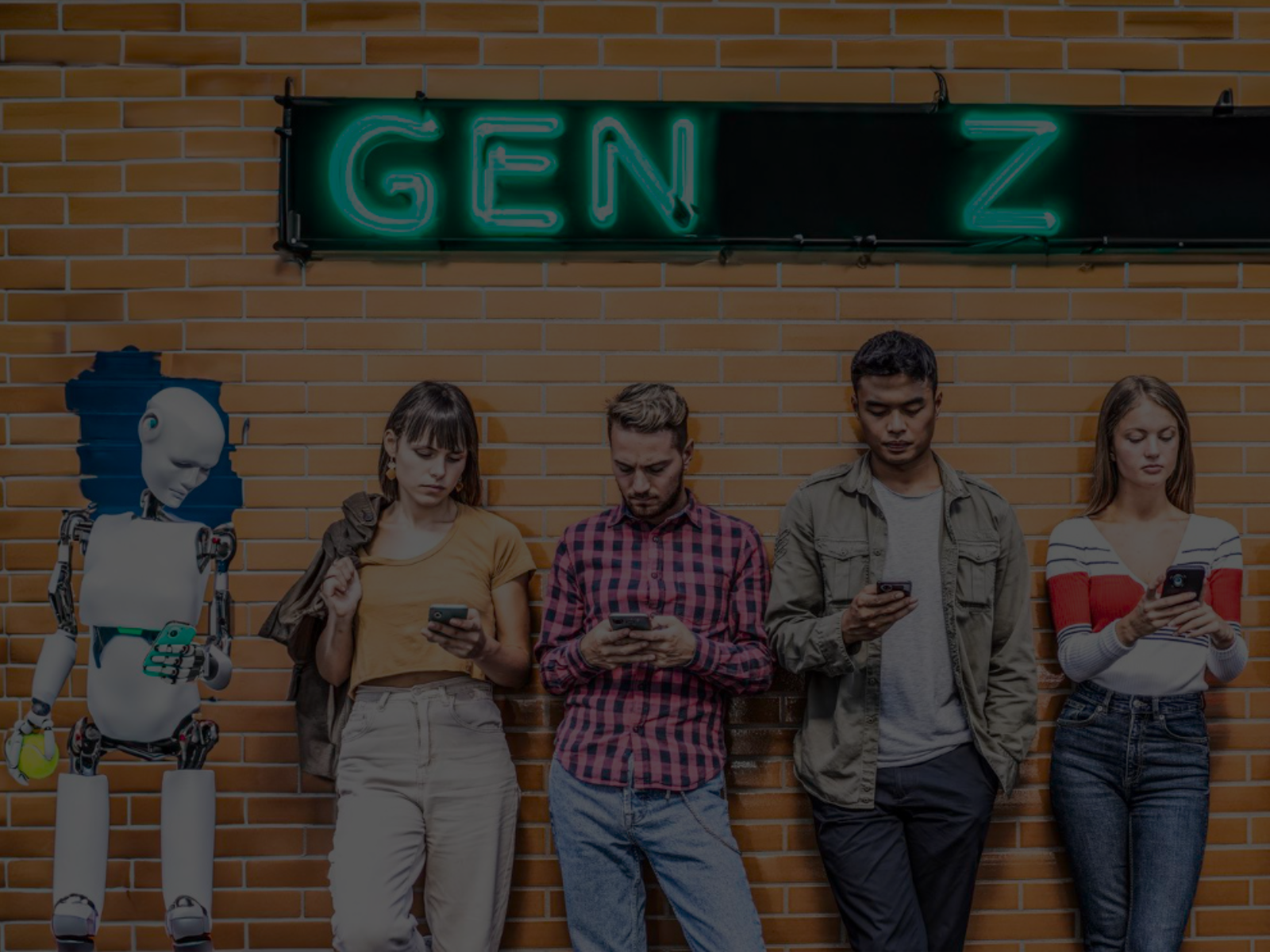
The rise of AI and automation also fuels uncertainty. Jobs are being redefined or replaced, and young people fear obsolescence. Counselors should shift the focus from job titles to transferable skills- critical thinking, emotional intelligence, adaptability- that remain valuable across sectors.
Mental Health — A Silent Challenge
Mental health is another silent barrier. The pressure to succeed, social comparison via digital media, and economic instability contribute to anxiety and burnout. Career counseling must integrate emotional support, helping youth build resilience and self-awareness.
Unequal Access to Counseling
Finally, access to quality guidance is uneven. Rural areas, marginalized communities, and underfunded schools often lack resources. Digital tools can bridge this gap, but only if they are inclusive and personalized.
Time for a New Model
To overcome these challenges, we need a new model of career counseling- one that is dynamic, holistic, and youth-centered. It should combine mentorship, skill-building, emotional intelligence, and real-world exposure.
Only then can we empower young people not just to find jobs, but to build meaningful, sustainable careers.